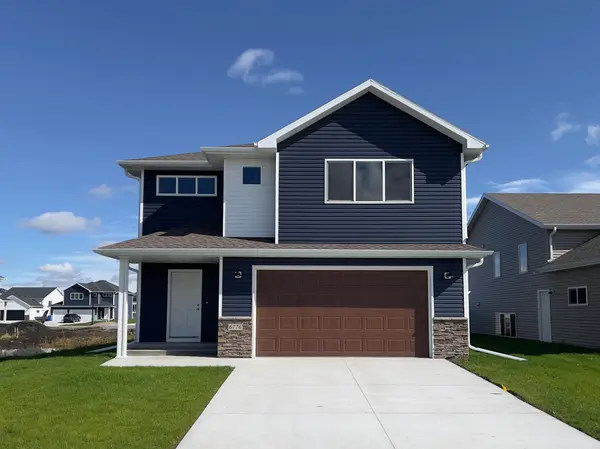
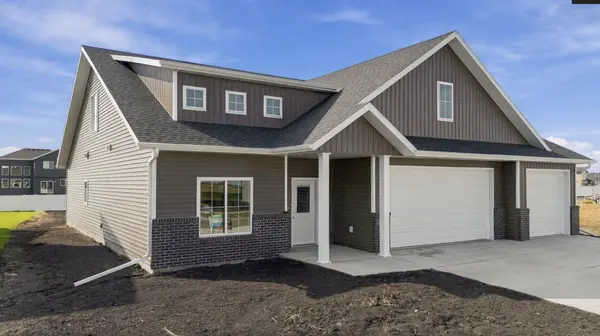
New Construction Buyer's Guide for Fargo, West Fargo & Moorhead
An educational walkthrough of the new construction process across the Fargo-Moorhead metro — warranty tiers, phased inspections, builder incentive negotiation, and how the North Dakota new construction property tax exemption actually works.
Information below is general and educational. Warranty terms, builder incentive availability, and tax exemption adoption vary by transaction and jurisdiction. Always confirm current details with the builder, the local assessor, and your lender before relying on them.
Accessing Inventory: Developments and Early Entry
The best new homes in this market often sell before they hit public listings. Our team maintains relationships with builders across the metro to help our clients identify upcoming and unlisted inventory in high-demand areas.
Core City Developments
- ✓
West Fargo: Active family-oriented growth in areas including Brandt Crossing and The Wilds.
- ✓
South Fargo: Higher-end communities and custom builds near Eaglewood.
- ✓
Moorhead, MN: Continued expansion in the southern residential districts.
Expanding Suburban Markets
For value-conscious townhomes or single-family options just outside the core metro, our community-specific guides cover:
Horace |
Casselton |
Dilworth |
Mapleton.
Protecting Your Investment: Warranties and Inspections
A widely advertised benefit of new construction is the builder warranty. In practice, warranty terms and providers vary significantly across local builders — what matters is understanding which tier covers what, and for how long.
Decoding the Builder Warranty Tiers
Most new-construction warranties in this market are structured in three tiers, though specific terms vary by builder:
- ✓
1-Year Workmanship Warranty: Covers finishes, paint, drywall, trim, and other workmanship items.
- ✓
2-Year Mechanical / Systems Warranty: Covers HVAC, plumbing, and electrical systems.
- ✓
10-Year Structural Warranty (when offered): Covers major load-bearing defects in foundation, framing, beams, and load-bearing walls. Not all local builders carry a 10-year structural tier — common providers include 2-10 Home Buyers Warranty, RWC, and StrucSure.
On the buyer's behalf, we work to identify the specific warranty provider, confirm the coverage tiers, and walk through the contract terms — including what triggers coverage, what is excluded, and how claims are made — before signing.
Independent Phased Inspections
Municipal inspections during construction verify code compliance; they do not protect the buyer's interests the way an independent inspection does. We typically recommend two independent inspections:
- ✓
Pre-drywall inspection: After framing, plumbing rough-in, electrical rough-in, and HVAC rough-in are complete but before drywall is installed.
- ✓
Final inspection & walkthrough: Conducted within roughly 24 hours of closing, alongside the final walkthrough, to identify any punch-list items the builder needs to address.
An optional 11-month inspection is also worth considering, conducted just before the 1-Year Workmanship Warranty expires, to identify any settling, finish, or workmanship issues while still within the coverage window.
Maximizing Value: Builder Incentives and Tax Benefits
Negotiating Builder Incentives
Base prices on new construction are often firm to protect comparable sales values within a development, but builder incentives are typically negotiable. Common incentives include:
- ✓
Closing cost contributions (often tied to use of the builder's preferred lender)
- ✓
Rate buy-downs through the builder's preferred lender (permanent or temporary, e.g., 2-1 buy-downs)
- ✓
Free or upgraded finishes — appliance packages, flooring upgrades, lot premiums, or structural options
- ✓
Extended warranties beyond the builder's standard tier
Incentive structures and dollar amounts vary by builder, development phase, and current inventory. Incentives are typically more generous on standing inventory than on to-be-built homes, and most generous near month-end and quarter-end when builders close their books.
North Dakota New Construction Property Tax Exemption
Buyers building new in North Dakota should be aware of North Dakota Century Code § 57-02-08(35), which allows local jurisdictions to exempt up to $150,000 of the true and full taxable valuation — not the tax amount itself — of new single-family, condominium, and townhouse residential property (excluding the land) for the first two taxable years after construction is completed and the residence is first owned and occupied.
Important: This is a discretionary exemption. It requires the local city or county to have adopted a resolution authorizing it. Whether it applies in a specific Cass County or Clay County (ND portion) jurisdiction must be confirmed with the local assessor. The exemption reduces the assessed value used in the mill levy calculation; it does not eliminate property taxes.
For Moorhead, MN buyers: Minnesota does not offer a directly equivalent statewide new construction exemption. Owner-occupied Moorhead new builds may qualify for the Minnesota Homestead Market Value Exclusion (up to $38,000, with phase-out beginning at $76,000 of market value and ending at $517,200). Confirm current details with the Clay County, MN assessor.
Expert New Construction FAQ
Local Market Knowledge
Which local communities are best for value-conscious new builds?▼
For buyers looking for more house for the dollar, the expanding new-construction inventory in
Horace,
Casselton,
Dilworth, and
Mapleton is worth exploring. These markets typically offer larger lot sizes and lower per-square-foot pricing than core Fargo or West Fargo developments.
What is the difference between a spec home and a custom build?▼
A spec home is built by the builder without a specific buyer under contract, using a standardized floor plan and finish package. Buyers purchase at or near completion with little to no customization. A custom build is constructed under contract for a specific buyer, with floor plan and finish selections customized within the builder's offered options. Custom builds typically require larger earnest deposits, longer timelines, and construction-to-permanent (C2P) financing if the buyer is financing the build directly.
How does construction-to-permanent (C2P) financing work?▼
A construction-to-permanent loan is a single closing that funds construction draws during the build and automatically converts to a permanent mortgage upon completion and certificate of occupancy. C2P loans avoid the dual-closing costs of separate construction and permanent loans. The borrower pays interest-only on funds drawn during construction, then begins principal-and-interest payments after conversion. Not all lenders offer C2P; it is most relevant for custom builds where the buyer is the borrower during construction, rather than purchasing a spec home at completion.
Warranties and Contract Protection
What is a 10-Year Structural Warranty and why is it important?▼
A 10-Year Structural Warranty covers major load-bearing defects in elements such as foundation, framing, beams, and load-bearing walls. It is distinct from the typical 1-Year Workmanship Warranty (covering finishes, paint, drywall, and similar items) and the 2-Year Mechanical/Systems Warranty (covering HVAC, plumbing, and electrical systems). Not every local builder includes a 10-year tier — common providers when offered include 2-10 Home Buyers Warranty, RWC, and StrucSure. We help buyers identify the specific provider, confirm the coverage tier, and review what is and is not covered before signing.
When should I get an independent inspection during new construction?▼
We recommend at least two independent inspections, separate from any municipal building inspections: the pre-drywall inspection (after framing, plumbing rough-in, electrical rough-in, and HVAC rough-in are complete but before drywall) and the final inspection conducted alongside the walkthrough before closing. A third optional inspection at the 11-month mark is valuable for catching issues before the 1-Year Workmanship Warranty expires.
How is earnest money different in new construction?▼
Earnest money on new construction is typically structured as a higher dollar amount or percentage than resale transactions because builders incur material and labor costs as construction proceeds. For to-be-built homes with customization, builders often require an initial deposit followed by additional non-refundable deposits at design center selections and at framing. Buyers should review carefully which deposits are refundable, which are non-refundable, and under what conditions before signing the purchase agreement.
What does the final walkthrough cover for new construction?▼
The final walkthrough on a new build is conducted within approximately 24 hours of closing and serves two purposes: confirming the home matches the contract specifications and finish selections, and generating the punch list of items the builder must address. Punch list items are typically minor (paint touch-ups, missing hardware, door or window adjustments) and are documented in writing for completion either before closing or within a contractually specified period after.
Financial and Tax Advantages
How does the ND new construction property tax exemption work?▼
North Dakota Century Code § 57-02-08(35) allows local jurisdictions to exempt up to $150,000 of the true and full taxable valuation (not the tax amount itself) of new single-family, condominium, and townhouse residential property — excluding the land — for the first two taxable years after construction is completed and the residence is first owned and occupied. This is a discretionary exemption that requires the local city or county to have adopted a resolution authorizing it; whether it applies in a given Cass County or Clay County (ND portion) jurisdiction must be confirmed with the local assessor. The exemption reduces the assessed value used in the mill levy calculation; it does not eliminate property taxes. Minnesota does not offer a directly equivalent statewide exemption.
What tax benefits apply to Moorhead, MN new construction?▼
Minnesota does not have a direct equivalent to the ND new construction property tax exemption. However, owner-occupied Moorhead new builds may qualify for the Minnesota Homestead Market Value Exclusion, which excludes a portion of the home's market value from the taxable base (maximum exclusion of $38,000, phasing out as market value rises and ending at $517,200). Verify current details and homestead application requirements with the Clay County, MN assessor.
Can I negotiate the price or ask for incentives from the builder?▼
Yes. While base prices are often firm to protect comparable sales values in the development, builder incentives are typically negotiable. Common incentives include closing cost contributions, rate buy-downs through the builder's preferred lender, free upgrades (appliances, lot premiums, structural options), and extended warranties. Incentive availability and structure vary by builder, development phase, and current inventory — incentives are typically more generous on standing inventory than on to-be-built or pre-sold homes, and most generous near month-end and quarter-end.
Local Specifics
Are FM Diversion flood considerations relevant for new construction?▼
Yes. The Fargo-Moorhead Metropolitan Area Diversion Project affects portions of south Fargo, Horace, and other communities in its alignment. Some new construction developments are within the staging area or have lots adjacent to project infrastructure. Buyers should verify the specific lot's relationship to the Diversion footprint with the builder and the Cass County recorder, and review any flood insurance implications with their lender — even when the lot itself is not in a designated floodway, proximity can affect insurance requirements.
What HOA considerations apply to new developments?▼
Most new construction developments in West Fargo (including Brandt Crossing and The Wilds), south Fargo, and Horace have homeowner association covenants and assessments. Before going to contract, buyers should request and review the Covenants, Conditions & Restrictions (CC&Rs), the current HOA budget, the reserve study, any pending special assessments, and rules on items such as exterior modifications, fencing, parking, and short-term rentals. HOA dues and assessments are in addition to property taxes and homeowner's insurance.
Is Vision Realty licensed in both North Dakota and Minnesota?▼
Yes. Broker Christopher Leigh is licensed and active in North Dakota (License #8972). Vision Realty agents include dual-licensed (ND and MN) and single-licensed agents who collaborate on cross-river new construction transactions. This allows the brokerage to represent buyers on builds in either state.
Contact Our New Construction Team
Real estate transactions are subject to market conditions and individual circumstances. Vision Realty is committed to fair housing and serves all clients without discrimination. Licensed in North Dakota and Minnesota.
Disclaimer: Vision Realty is a licensed real estate brokerage, not a mortgage lender, tax advisor, builder, warranty company, or law firm. This page is summarized from publicly available North Dakota and Minnesota statutes and standard new-construction industry practice, and is provided for general educational purposes only. It is not lending, financial, tax, construction, or legal advice. Warranty terms vary by builder; tax exemption availability depends on local jurisdiction adoption; loan products and incentive structures change periodically. Verify all current figures and program availability with the specific builder, your local city or county assessor, a participating lender, and qualified legal or tax counsel before relying on them for a transaction. Last reviewed: May 14, 2026.